

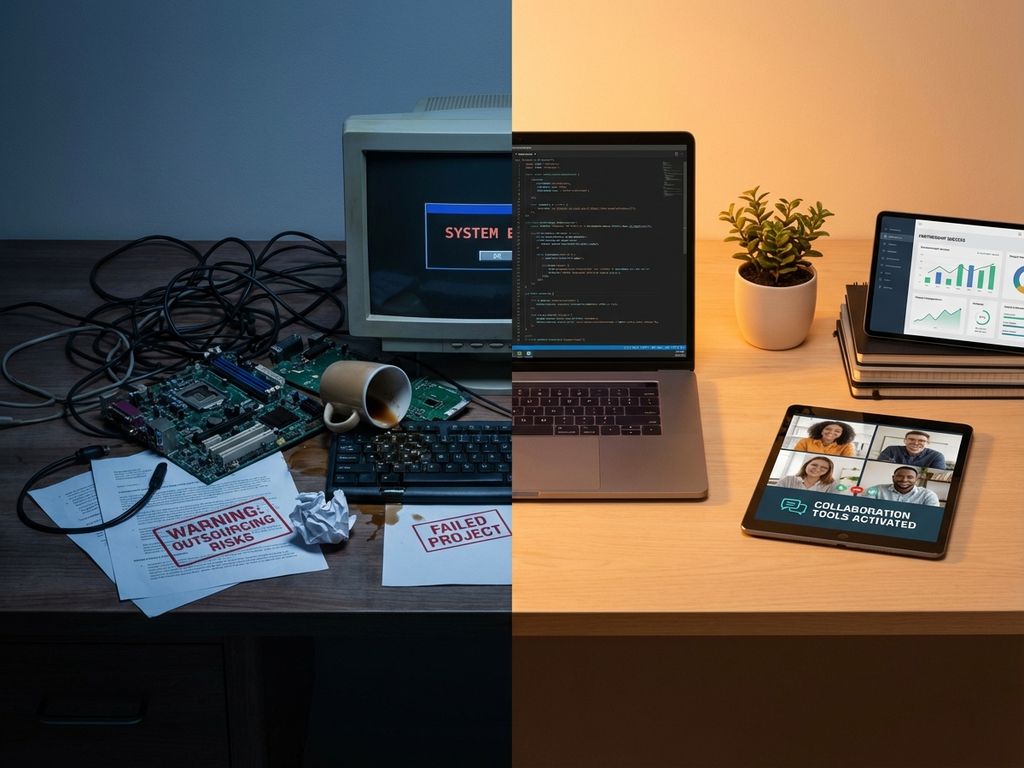
Software development outsourcing can transform your business when done right, but poor planning leads to costly failures. The biggest pitfalls include inadequate partner vetting, unclear communication protocols, compromising on quality standards, and ineffective project management. Understanding these risks helps you build successful partnerships with remote development teams and achieve your project goals.
What are the biggest mistakes companies make when outsourcing software development?
The most common outsourcing mistakes include rushing vendor selection, setting unrealistic timelines, failing to document requirements clearly, and underestimating communication challenges. These errors often result in budget overruns, delayed launches, and subpar software quality that requires expensive fixes.
Poor vendor vetting tops the list of critical mistakes. Many companies focus solely on cost without evaluating technical expertise, portfolio quality, or cultural fit. This approach leads to partnerships with developers who lack the skills or experience needed for your specific project requirements.
Inadequate requirements documentation creates another major pitfall. When project specifications remain vague or incomplete, developers make assumptions that rarely align with your vision. This miscommunication results in extensive revisions, scope creep, and frustrated teams on both sides.
Unrealistic timeline expectations compound these problems. IT outsourcing Nederland projects require proper planning phases, testing periods, and buffer time for revisions. Compressed schedules force developers to cut corners, compromising code quality and long-term maintainability.
Communication planning often receives insufficient attention during the setup phase. Without established protocols for regular check-ins, progress reporting, and issue escalation, projects drift off course before problems become apparent. This lack of oversight makes course corrections more difficult and expensive.
How do you choose the right software development partner without getting burned?
Selecting the right partner requires thorough evaluation of technical expertise, portfolio quality, communication skills, and cultural alignment. Focus on developers who demonstrate relevant experience, provide detailed project examples, and maintain transparent communication throughout the selection process.
Portfolio assessment reveals more than technical skills. Look for projects similar to yours in complexity and scope. Pay attention to code quality, user interface design, and functionality depth. Ask specific questions about challenges faced and solutions implemented during previous projects.
Technical expertise evaluation goes beyond programming languages. Assess problem-solving approaches, architecture decisions, and knowledge of current development practices. Software development outsourcing partners should demonstrate understanding of security protocols, scalability considerations, and maintenance requirements.
Reference checking provides valuable insights into working relationships and project outcomes. Contact previous clients directly to discuss communication quality, deadline adherence, and post-launch support. Ask about challenges encountered and how the development team addressed them.
Red flags include reluctance to provide references, vague project descriptions, extremely low pricing without clear justification, and poor communication during the evaluation process. Partners who cannot articulate their development process or provide realistic timelines often struggle with project execution.
Cultural alignment significantly affects project success. Choose partners who understand your business context, ask thoughtful questions about requirements, and demonstrate genuine interest in your project outcomes rather than just technical implementation.
Why do so many outsourced software projects fail due to communication problems?
Communication failures stem from time zone misalignment, language barriers, cultural differences, and inadequate communication protocols. These challenges create misunderstandings about requirements, progress, and expectations that compound throughout the development process, leading to project derailment.
Time zone management presents ongoing challenges for software uitbesteden projects. When development teams work while you sleep, issues can escalate for hours before receiving attention. This delay slows problem resolution and creates frustration on both sides.
Language barriers extend beyond basic communication. Technical concepts, business requirements, and user experience details require precise explanation. Misinterpretations of subtle requirements lead to features that meet literal specifications but miss intended functionality.
Cultural differences affect communication styles, feedback interpretation, and problem-reporting approaches. Some cultures emphasize indirect communication or avoid highlighting problems, which can mask issues until they become critical. Understanding these differences helps establish effective communication patterns.
Inadequate communication tools and protocols exacerbate these challenges. Without structured reporting systems, regular check-in schedules, and clear escalation procedures, important information gets lost or delayed. This breakdown prevents proactive problem-solving and course correction.
Documentation gaps create additional communication problems. When requirements, decisions, and changes are not properly recorded, team members work with different assumptions about project scope and priorities. This misalignment becomes more pronounced as projects progress and team members change.
What should you never compromise on when outsourcing software development?
Never compromise on code quality standards, security requirements, intellectual property protection, comprehensive documentation, and maintaining control over critical project decisions. These elements form the foundation of successful outsourcing relationships and protect your long-term business interests.
Code quality standards directly impact software maintainability, performance, and scalability. Establish clear coding conventions, review processes, and testing requirements from the start of the project. Poor code quality creates technical debt that becomes increasingly expensive to address over time.
Security requirements deserve unwavering attention throughout development. Implement secure coding practices, regular security audits, and compliance with relevant data protection regulations. IT uitbesteden projects must maintain the same security standards as internal development efforts.
Intellectual property protection requires clear contracts and proper documentation. Ensure all code, designs, and innovations belong to your organization upon project completion. Establish confidentiality agreements and secure development environments to protect sensitive business information.
Comprehensive documentation enables future maintenance and development. Insist on detailed code comments, architecture documentation, and user guides. This documentation proves invaluable when onboarding new team members or transitioning projects between development teams.
Control over critical decisions must remain with your organization. While technical implementation details can be delegated, strategic decisions about features, priorities, and architecture should involve your team. This oversight ensures the final product aligns with business objectives and user needs.
How do you manage an outsourced development team effectively from day one?
Effective management starts with clear expectations, regular communication schedules, appropriate project management tools, and consistent accountability measures. Establish these systems immediately to create structure and transparency that support successful collaboration throughout the development process.
Setting clear expectations involves defining project scope, quality standards, communication protocols, and deliverable formats. Document these expectations and ensure all team members understand their roles and responsibilities. Regular expectation reviews help maintain alignment as projects evolve.
Regular check-ins provide opportunities to monitor progress, address concerns, and maintain team connection. Schedule daily standups for active development phases and weekly progress reviews for longer-term planning. These meetings should focus on accomplishments, obstacles, and upcoming priorities.
Project management tools create transparency and accountability across distributed teams. Choose platforms that support task tracking, progress reporting, and collaborative communication. Ensure all team members can access and update project information in real time.
Accountability measures include progress tracking, quality reviews, and milestone assessments. Establish clear metrics for measuring success and regular review cycles for evaluating performance. IT outsourcing Nederland projects benefit from structured accountability that maintains momentum without micromanagement.
Team integration efforts help remote developers feel connected to project goals and company culture. Include outsourced team members in relevant meetings, share business context for technical decisions, and recognize contributions to project success. This integration improves motivation and reduces turnover.
Successful software development outsourcing requires careful planning, clear communication, and consistent management. By avoiding common pitfalls and implementing structured approaches to partner selection and team management, you can achieve excellent results while maintaining control over your project outcomes. We specialize in connecting businesses with experienced remote developers supported by local project management, ensuring you get the benefits of global talent with the comfort of working in your own language and time zone.
